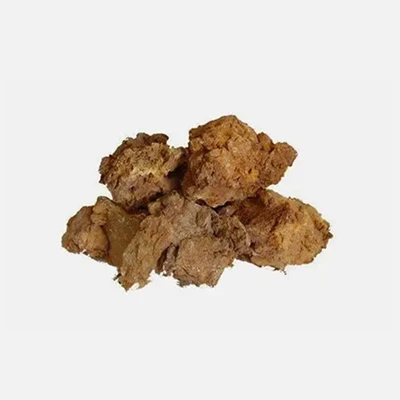
Fără siliciu Abrazive pentru Explozie Curățare
Abrazive sunt utilizate în mod obișnuit în a larg varietate de industrial procese inclusiv the shaping and finishing of components made from diverse materials such as wood, glass, beton, plastic, stone, fier, steel, super-aliaje and non- feroase metale, and more exotic products such as jewels, optical and electronic components.
Din punct de vedere istoric, abraziv materiale au fost în principal derivate din naturale minerale astfel ca șmir, cuarț nisip și diamant. Astăzi, totuși, abraziv industrie este aproape în întregime dependent upon sintetic materiale, care sunt departe mai multe consistente în compoziție și rentabile decât lor naturale predecesorii. sintetic materiale sunt în general mai multe rentabile as ei tend to be subproduse sau deșeuri fluxuri de procesele care produce ele astfel ca putere generare și metal topire. În timp ce natural minerale sunt încă predominante% 2c ei tendință la fi folosit pentru foarte foarte aplicații specializate astfel ca lustruire și fin finisare due la lor lor mai mare cost.
Aplicații pentru desprins abrazivi gamă din suprafață curățare și peening, la the restaurare și suprafață pregătire materiale pentru protecție acoperiri. A second major market for loose abrazivi is the blast cleaning and repainting of bridges and overpass. In addition to these two markets, there are hundreds of industrial applications where loose abrazivi are for surface preparation, surface cleaning and as a component of other produse finite .
Abrasive blast cleaning encompasses a variety of methods that include the use of several types of media propelled by water or air. The abrasives media vary widely, from rice hulls and walnut shells to various slags, garnet and steel shot. Typical blast cleaning minerals include staurolite, olivine, specular hematite and garnet. Man-made media used for blast cleaning include plastic, coated minerals, recycled glass, steel shot, coal slag, copper slag and nickel slag.
For over 50 years, silica had been the most commonly used abrasive for abrasive blast cleaning, thus the coining of the term sandblasting, as it is economical and easy to use.